
Vaccinations, Malaria Reality and Peace of Mind
August 25, 2026
Packing for a safari can feel like a balancing act between style, comfort, and practical bush reality. Hours are spent inside a 4\times4 vehicle traversing dusty roads, where temperatures fluctuate drastically from chilly early morning game drives to scorching afternoon heat.
To help you pack smartly without overfilling your luggage, here is everything you need to know about clothing, colors, gear, and safari logistics.
1. Luggage Logistics: Pack Light & Soft
Before choosing your outfits, choose the right bag.
- Soft-Sided Bags Only: Safari vehicles (and domestic bush flights) have limited luggage compartments. Ditch hard-shell suitcases for soft duffel bags that can be easily compressed.
- Keep It Moderate: If you share a vehicle with five or six other travelers, oversized luggage creates major space issues.
- Use Laundry Services: You do not need a fresh outfit for every single day. Most safari lodges and tented camps offer daily, affordable laundry service. Pack enough for 3–4 days, let the lodge handle the rest, and keep your load light.
2. The Safari Dress Code: Comfort First
While safari-aesthetic photos are popular, functionality is your top priority.
- Skip Tight Dresses and Mini-Skirts: Safari 4\times4 vehicles are raised high off the ground, requiring a big step up to enter. Short or tight clothing makes climbing in and out uncomfortable, and bare legs stick to leather seats in the midday heat.
- Avoid Jumpsuits: When you are out on a full-day game drive, the only available restroom might be a “bush toilet” behind the vehicle. Stripping down completely in the wild is far from practical.
- Forget Heavy Hiking Boots: Unless your itinerary explicitly features long walking safaris, heavy boots will only overheat your feet. Standard sneakers or comfortable walking shoes are ideal.
3. The Power of Layering: Cold Mornings, Hot Afternoons
Game drives start before sunrise when wildlife is most active. Open-roof vehicles at 6:00 AM are surprisingly cold.
- Morning Warmth: Wear a comfortable base t-shirt, topped with a fleece, a warm sweater, or a lightweight insulated jacket. A beanie or warm hat is a great addition for early starts.
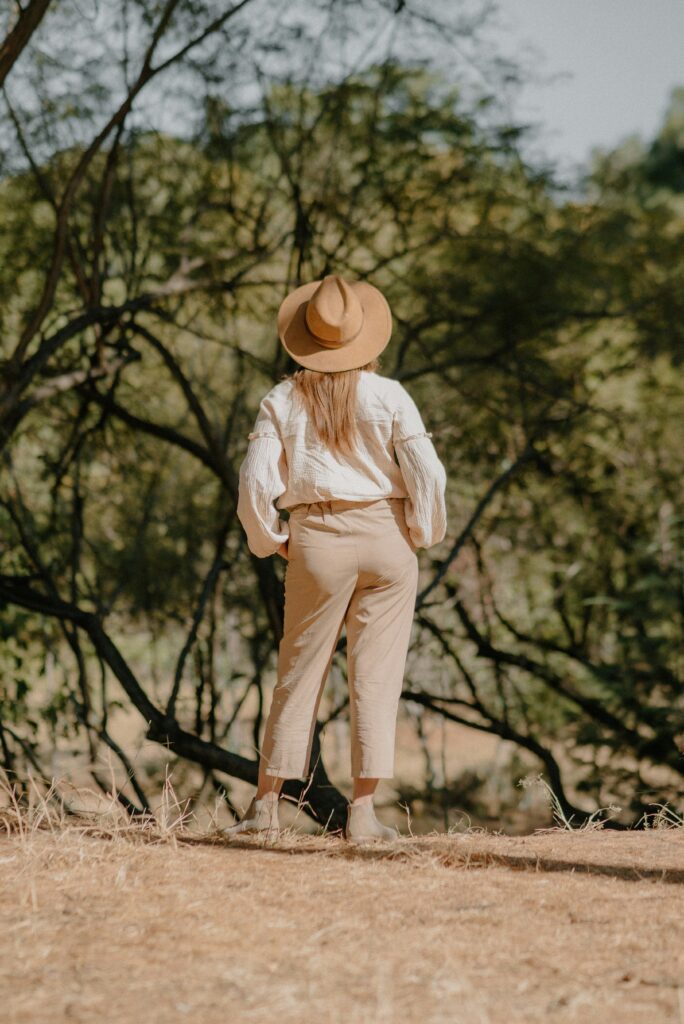
- Midday Transitions: By noon, temperatures rise significantly. Dress in breathable, natural fabrics like linen or cotton so you can strip down to your lightweight shirt.
- Pants & Footwear: Wear light, breathable trousers to protect your skin from dust and sun. Keep a pair of comfortable sandals or flip-flops in your daypack to swap into during the hottest afternoon hours inside the vehicle.
4. Color Guide: What to Wear and What to Avoid
Choosing the right color palette is about both comfort and safety.
| Color Category | Recommended Colors | Reason |
|---|---|---|
| Ideal Earth Tones | Khaki, Tan, Beige, Olive Green, Brown | Blends naturally into the bush; hides dust extremely well. |
| Colors to Avoid | Black & Dark Navy Blue | Attracts extreme heat and lures tsetse flies (which are drawn to dark colors). |
| Colors to Avoid | Bright Red, Neon, Pure White | Bright shades stand out to animals and startle wildlife; white gets dirty instantly. |
| Strictly Prohibited | Military / Camouflage Patterns | Camouflage clothing is illegal for civilians in several African countries. |
5. Vehicle Daypack Essentials
Keep a small backpack at your feet inside the vehicle stocked with these daily necessities:
- Sun Protection: High-SPF sunscreen, polarized sunglasses (crucial for cutting dust and glare), and a wide-brimmed hat with a chin strap so it does not blow away while driving.
- Insect Repellent: A strong formula to keep mosquitoes and flies away.
- Hygiene Supplies: Wet wipes and tissues—dust accumulates quickly, and roadside rest stops rarely have full amenities.
- Electronics: A high-capacity power bank and camera chargers. Charging ports in vehicles can be limited when shared among multiple guests.
- Swimwear: Many safari lodges and camps feature swimming pools overlooking waterholes or national parks—pack a swimsuit so you can unwind after a long dusty drive.